Research programs
Five programs, one vasculature
Each program exists because a specific question could not be answered in a dish or in an animal. They share the same vascularized foundation, which is why immunology, biosensing, and materials work feed directly into one another here.
Program 01
Organ-on-a-chip and microphysiological systems
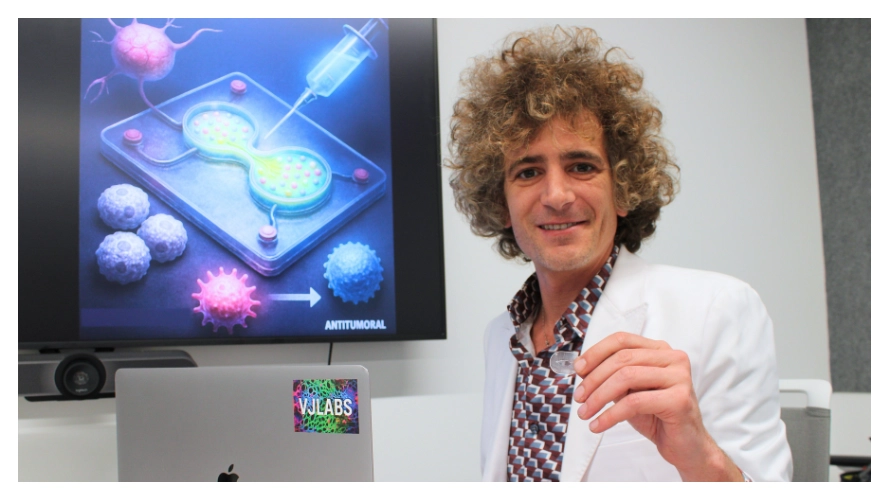
The central pillar. We engineer vascularized, perfusable organ models, liver, blood-brain barrier, lymph node, and glioblastoma, that hold together long enough to run a real experiment on.
- Why it matters
- Conventional models lack vasculature, immune competence, and real-time readouts, which is most of why they fail to predict what a drug does in a person.
- How
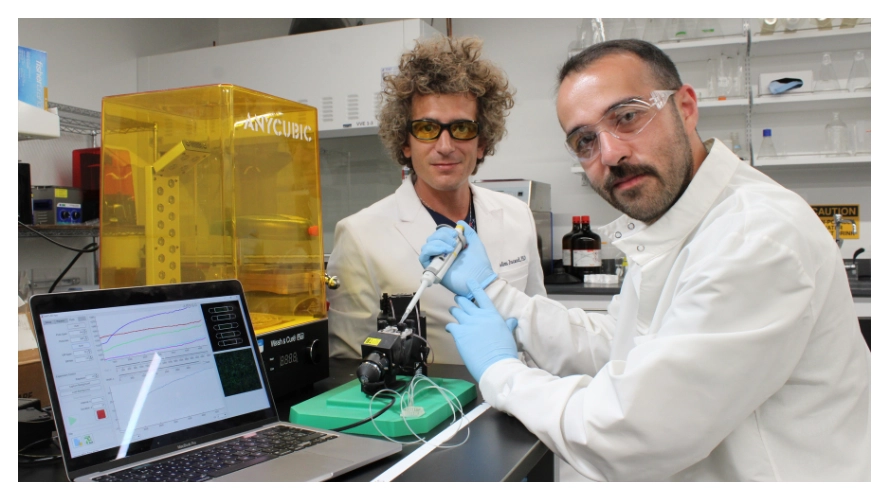
- Scalable thermoplastic fabrication, modular chip architectures, and manufacturing designed for academic, pharmaceutical, and regulatory adoption rather than for a cleanroom.
Platform
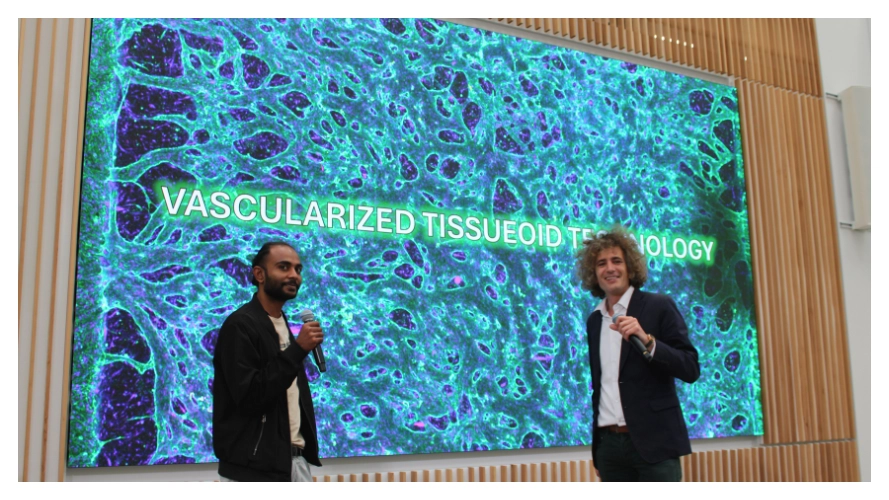
Vascularized Tissueoids and the chips that hold them
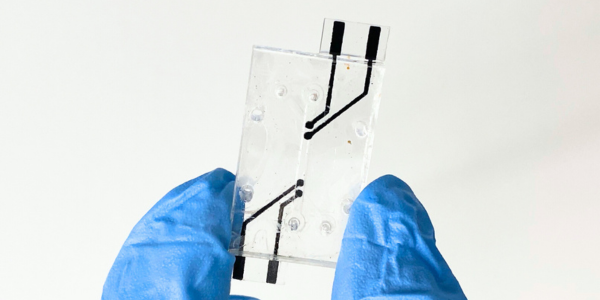
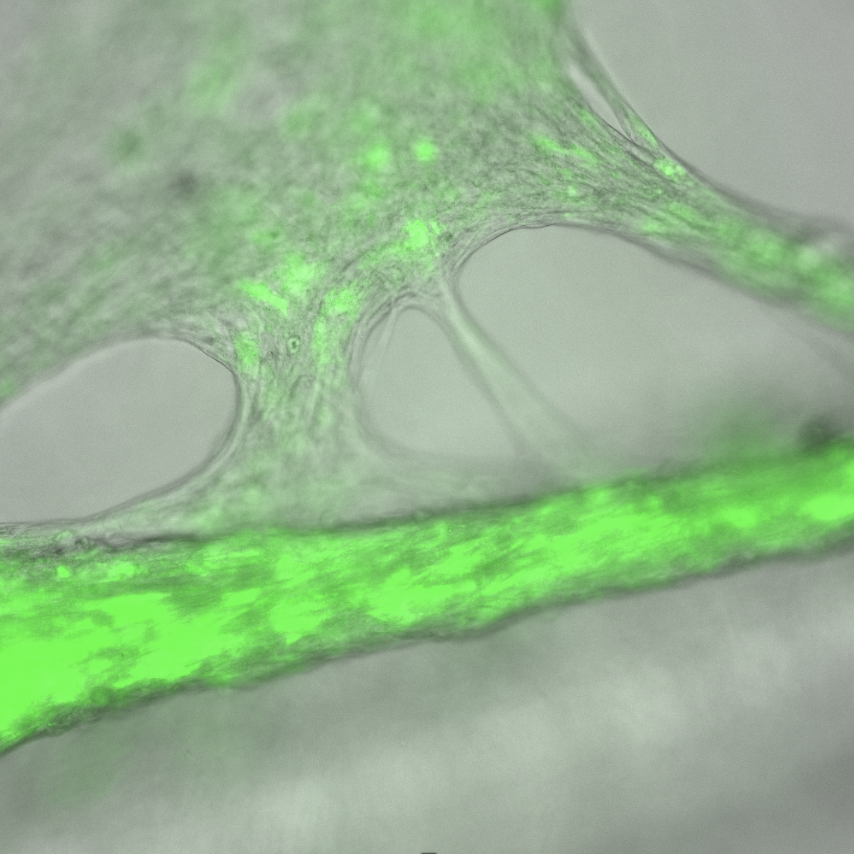
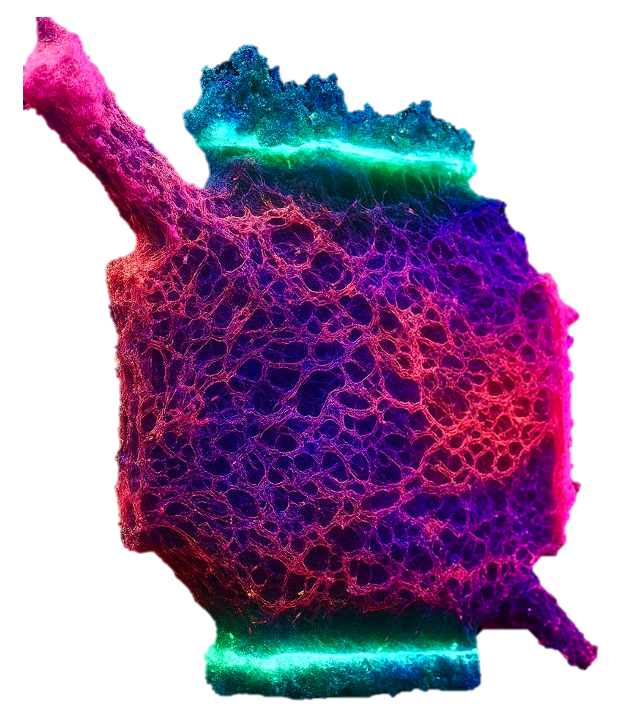
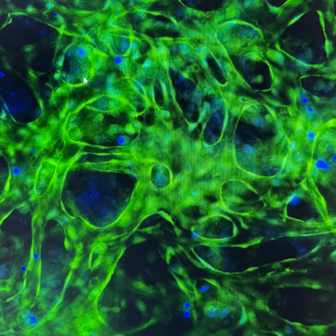
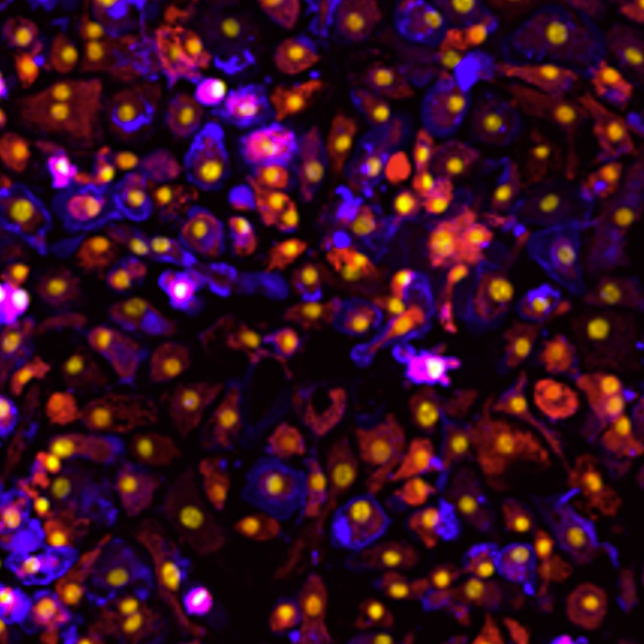
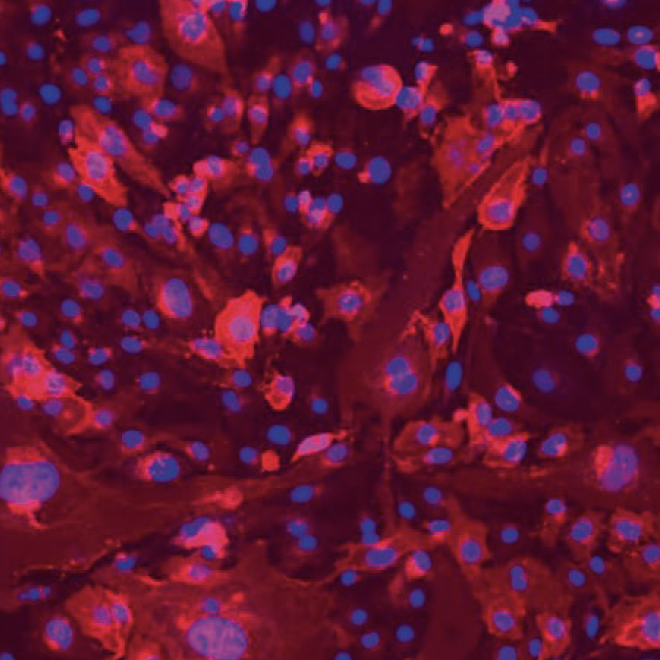
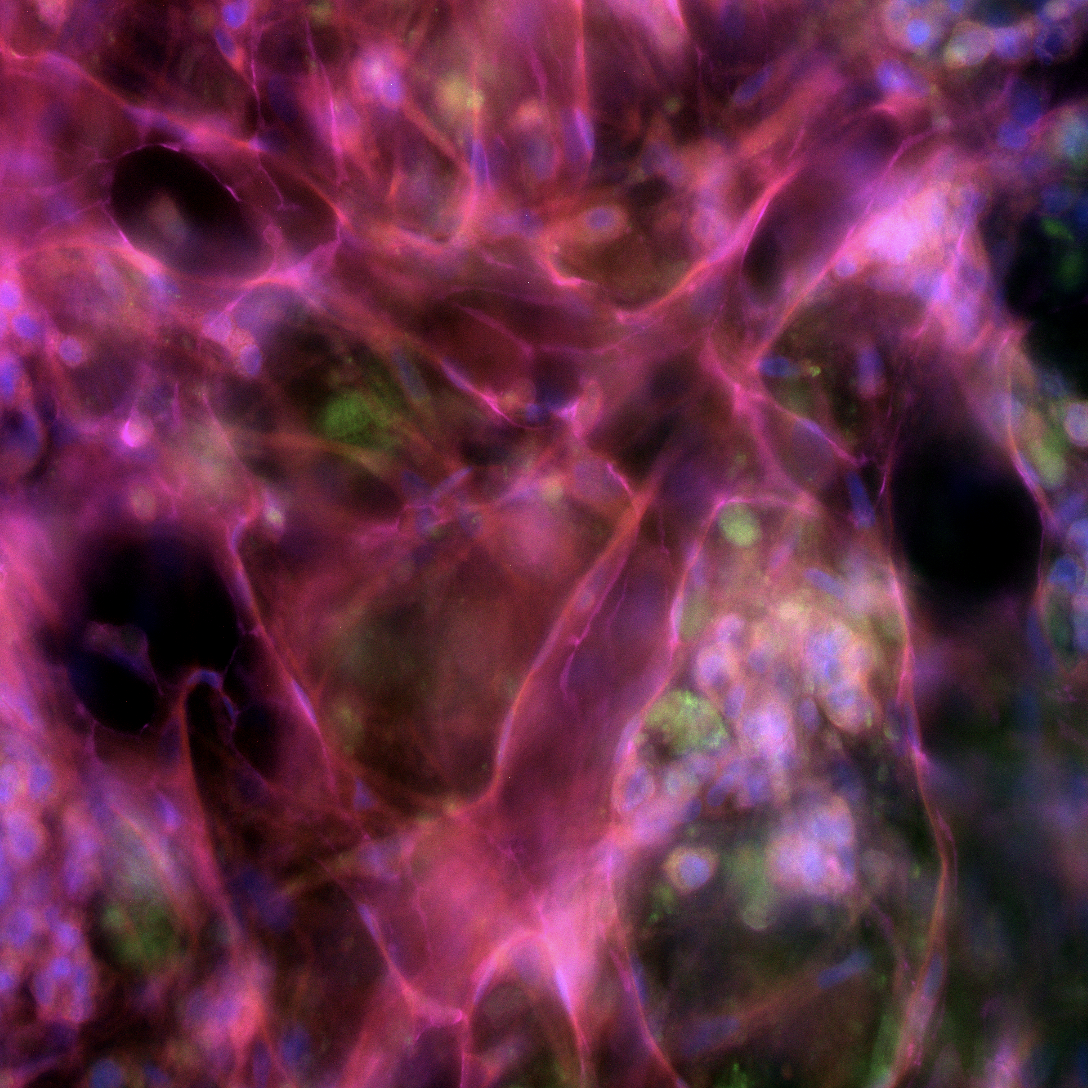
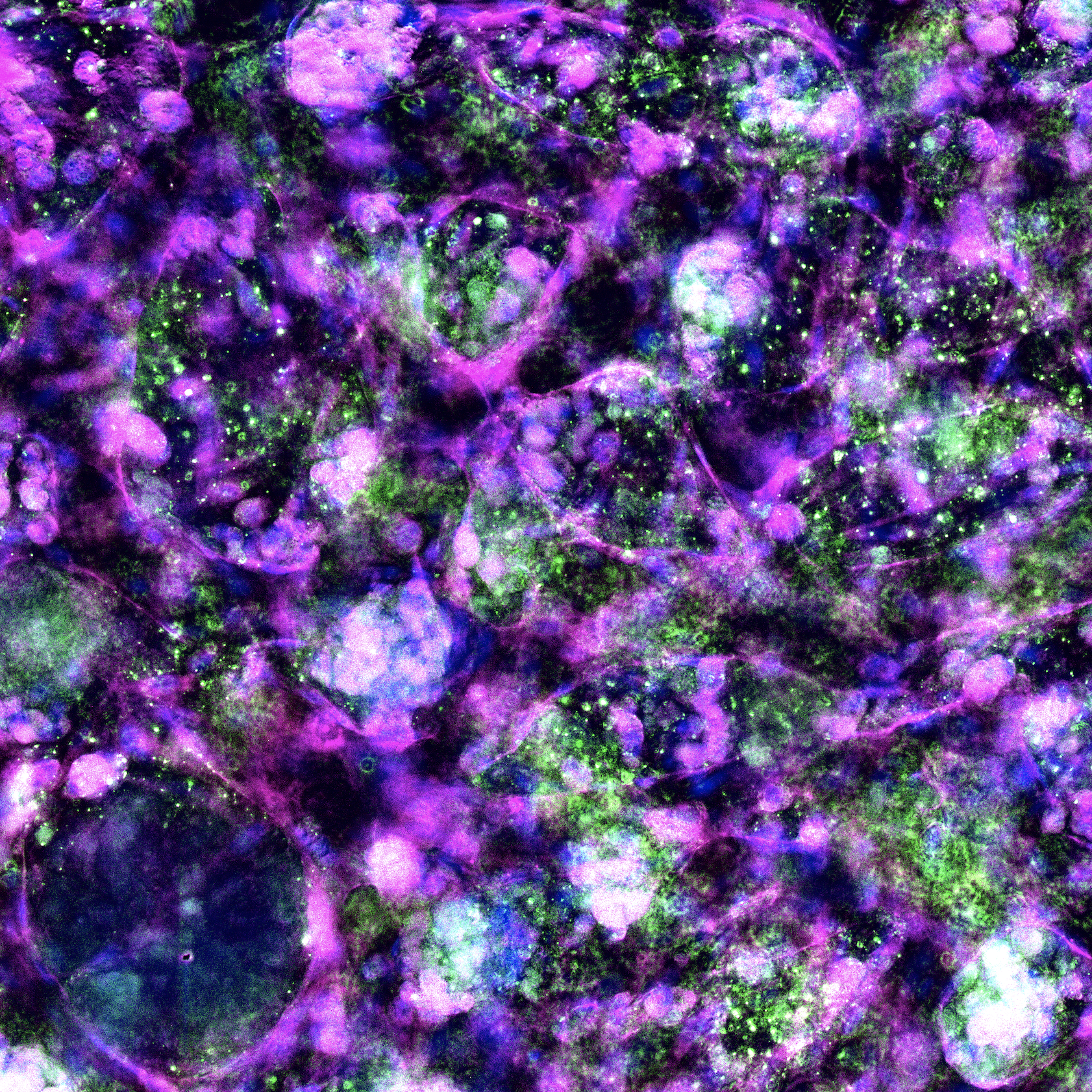
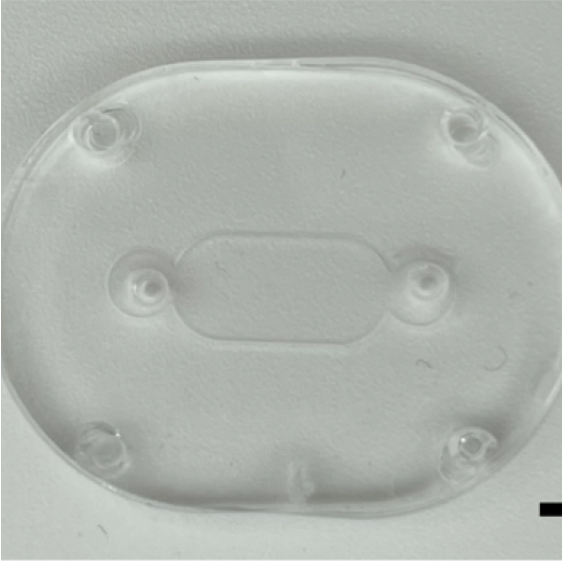
Perfusable microvascular networks integrated with 3D tissue, so nutrients, drugs, and immune cells move through the construct instead of diffusing into it. The chips themselves are scalable thermoplastic parts with sensor and electrode ports, which is what makes the platform usable by labs without cleanroom access.
4 organ models49+ day cultureNo cleanroom neededSensor-ready
Program 02
Transplant immunology and HLA immunobiology
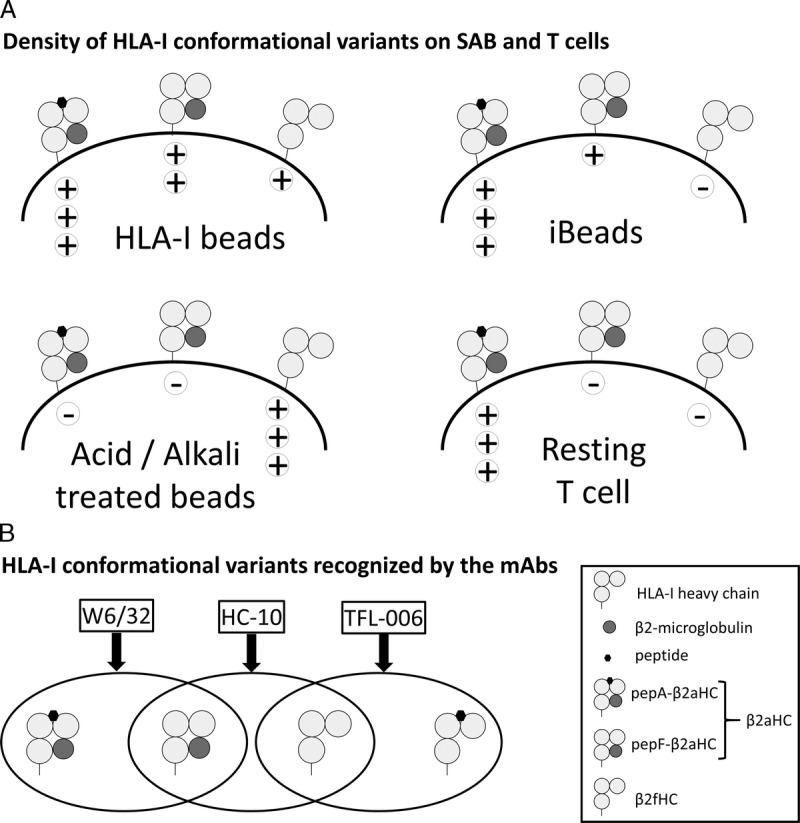
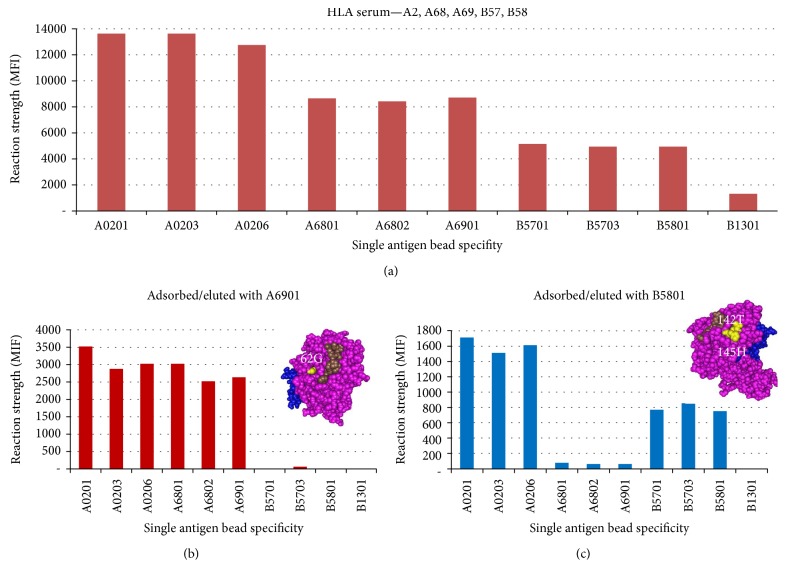
We map how donor-specific HLA antibodies decide the fate of a graft: which mismatches provoke them, which epitopes they see, and what they do to tissue once they arrive.
- Why it matters
- Antibody-mediated rejection remains the leading cause of long-term graft loss, and predicting which mismatches trigger it is still unsolved.
- How
- Antibody characterization and epitope mapping, computational donor-recipient matching through the E3 feature software, then rejection replayed on an immunocompetent chip.
Platform
E3, HLA feature engineering software
E3 generates more than 400 molecular features from any donor-recipient HLA mismatch, unifying eplet scores, predicted epitopes, electrostatic and hydrophobicity differences, and antibody-verified epitopes in one framework. Existing tools score immunogenicity with a single metric; E3 exists because a single metric keeps being wrong.
400+ featuresML-readyAntibodies 2024
Program 03
Cancer biology and immunotherapy
Engineered tissue models for cancer vaccine screening, drug resistance, and embolic agent testing, including immune systems that have aged.
- Why it matters
- Preclinical models rarely capture human immune complexity, least of all in elderly patients, who carry the highest cancer burden and are routinely left out of testing.
- How
- Lymph node-on-a-chip for vaccine efficacy, glioblastoma-on-a-chip for pericyte-mediated temozolomide resistance, and a vascularized liver tumor model for embolic agents.
Platform
Three cancer platforms on the same vascular base
Lymph node-on-a-chip for vaccine efficacy including aged immune systems, glioblastoma-on-a-chip for pericyte-mediated temozolomide resistance, and a vascularized liver tumor model for embolic agents. All three inherit the perfusable vasculature and immune access of the Tissueoid platform.
3 cancer platformsImmunosenescenceAntigen presentation
Program 04
Biosensors and real-time monitoring
Label-free sensing built into the chip itself, so a tissue can be watched continuously instead of being sacrificed for an endpoint.
- Why it matters
- Endpoint assays miss the dynamics, and the dynamics are usually where the toxicity signal lives.
- How
- PC-TIR optical biosensors for antibody secretion and toxicity, screen-printed TEER electrodes for barrier integrity, and reusable electrochemical immunosensors.
Platform
Integrated biosensing
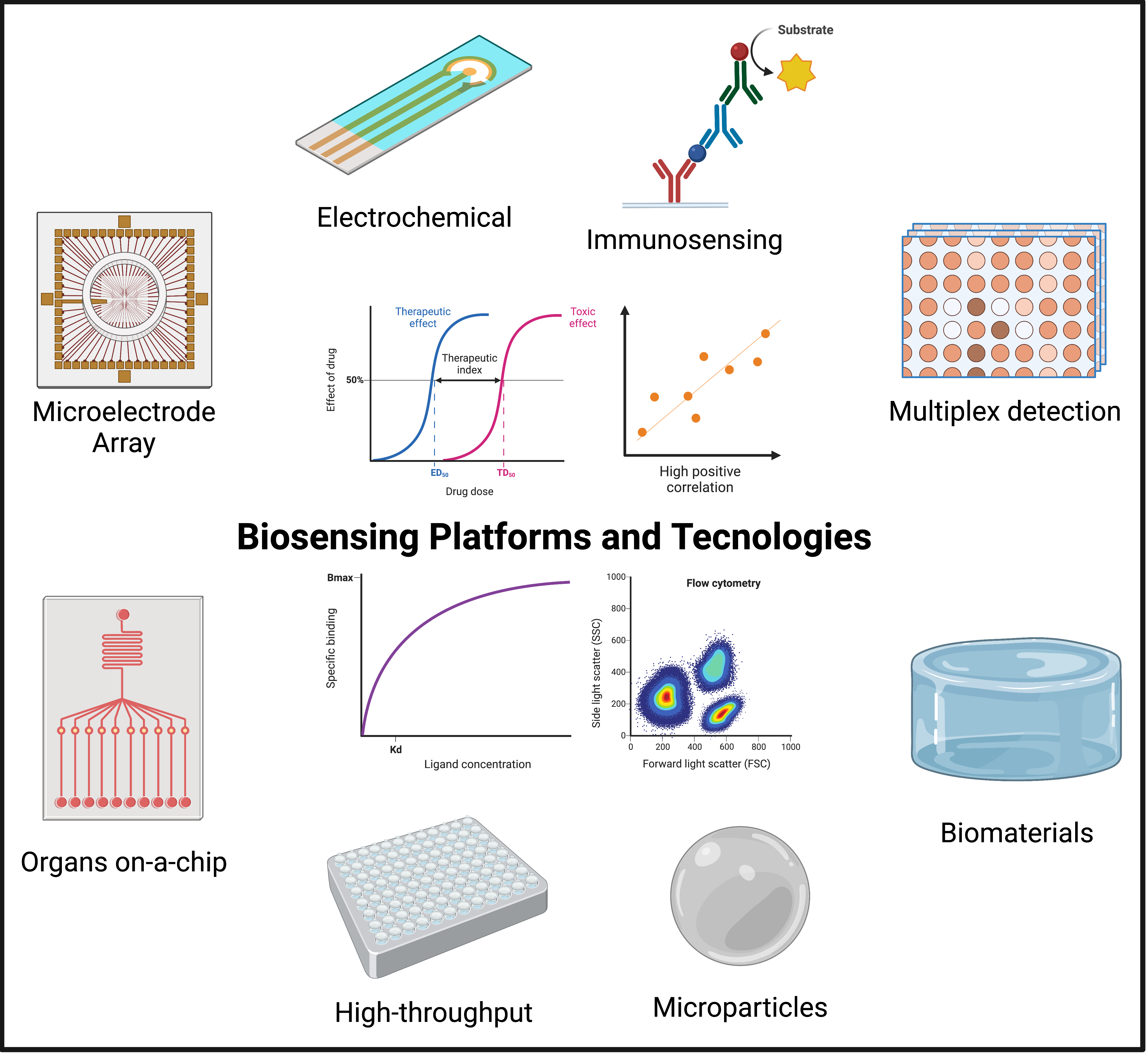
Four sensing modalities embedded in the chip: PC-TIR optical biosensors for antibody secretion and toxicity, screen-printed TEER electrodes for barrier integrity, reusable electrochemical immunosensors, and microfluidic contact-lens sensors for tear biomarkers.
4 modalitiesLabel-freeNon-destructive
Program 05
Biomaterials and tissue engineering
Materials that make the models more faithful, and that occasionally leave the chip entirely and become a treatment.
- Why it matters
- Matching the mechanics and chemistry of native tissue is a prerequisite for both accurate modeling and direct therapeutic use.
- How
- Ionogels and peptide hydrogels, oxygen-generating microparticles that downregulate HIF-1α, and natural latex dressings taken as far as a pilot trial in diabetic foot ulcers.
Platform
Engineered materials
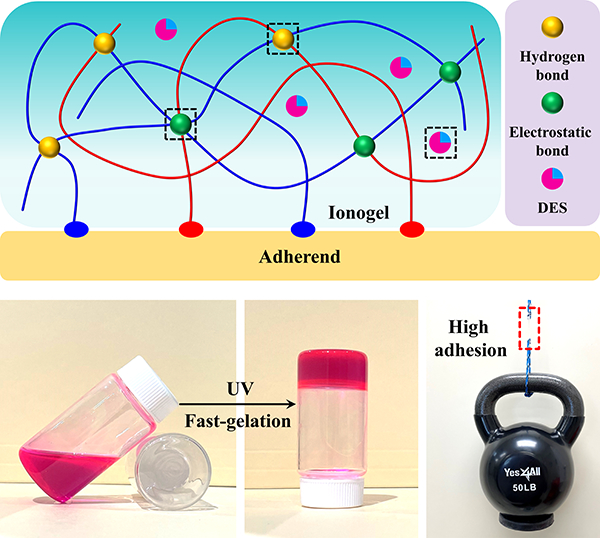
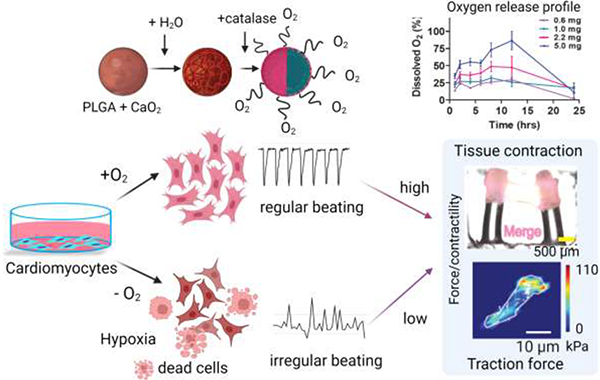
Hydrogels and particles that either raise the fidelity of a model or leave the chip and become a therapeutic: DES-based ionogels, peptide and amyloid-mimicking hydrogels, oxygen-generating microparticles that downregulate HIF-1α, and latex-based wound dressings.
5+ material systemsClinical pilotActa Biomater. 2023
Publication record
Research output
54Research papers
25Review articles
61Conference abstracts
2,925+Citations
33h-index
Selected work
High-impact and recent papers
- 2026 · Nature CommunicationsZhou K, Kim M, Liu CW, Harbell JW, Mathur AK, Nateras RN, Jucaud V, Dokmeci MR, Shen X, Aqel BA, Wang J, Nguyen MC, Zhu Y. A clinically deployed dual-compartment biochemical monitoring platform for human liver perfusion. doi: 10.1038/s41467-026-74799-y.
- 2026 · Chemical Engineering JournalCabral TO, Ebrahimi A, Bagheri A, Khorsandi D, Dokmeci MR, Jucaud V, Pourkargar DB. A digital twin framework for predictive modeling of liver-on-a-chip system dynamics using limited experimental data. doi: 10.1016/j.cej.2026.177046.
- 2026 · Advanced MaterialsSalih ARC, Peirsman A, Khorsandi D, Ferrao R, Ferreira L, Kamaraj M, John JV, Baquerizo A, Jucaud V. Liver Tissueoid on-a-Chip Modeling Liver Regeneration and Allograft Rejection.
- 2026 · ACS SensorsTang RC, et al. Rapid Point-of-Care Inflammatory Cytokine Monitoring during Normothermic Liver Perfusion via a Multiplexed Paper-Based Vertical Flow Assay.
- 2026 · Lab on a ChipMaity S, Hassani Najafabadi A, et al. Lymph node paracortex-inspired on-a-chip recapitulating immunosenescence.
- 2025 · Biosensors and BioelectronicsKhorsandi D, Yang JW, et al. Real-Time and Label-Free Monitoring of Monoclonal Antibody Secretion Rates Using a PC-TIR Biosensor.
- 2025 · BiofabricationNguyen HT, et al. Embolization-on-a-chip: Novel Vascularized Liver Tumor Model for Evaluation of Cellular and Cytokine Response to Embolic Agents.
- 2025 · Acta BiomaterialiaMaity S, Jewell C, et al. Deciphering pericyte-induced temozolomide resistance in glioblastoma with a 3D microphysiological system.
- 2024 · SmallYang JW, Khorsandi D, et al. Liver-on-a-Chip Integrated with Label-Free Optical Biosensors for Rapid and Continuous Monitoring of Drug-Induced Toxicity.
- 2020 · Scientific ReportsKawakita S, Beaumont JL, Jucaud V, Everly MJ. Personalized prediction of delayed graft function for recipients of deceased donor kidney transplants.
- 2019 · HepatologyJucaud V, Shaked A, et al. Prevalence and Impact of De Novo Donor-Specific Antibodies During a Multicenter Immunosuppression Withdrawal Trial.
- 2026 · Nature CommunicationsZhou K, Kim M, Liu CW, Harbell JW, Mathur AK, Nateras RN, Jucaud V, Dokmeci MR, Shen X, Aqel BA, Wang J, Nguyen MC, Zhu Y. A clinically deployed dual-compartment biochemical monitoring platform for human liver perfusion. doi: 10.1038/s41467-026-74799-y.
- 2026 · Chemical Engineering JournalCabral TO, Ebrahimi A, Bagheri A, Khorsandi D, Dokmeci MR, Jucaud V, Pourkargar DB. A digital twin framework for predictive modeling of liver-on-a-chip system dynamics using limited experimental data. doi: 10.1016/j.cej.2026.177046.
- 2026 · Advanced MaterialsSalih ARC, Peirsman A, Khorsandi D, Ferrao R, Ferreira L, Kamaraj M, John JV, Baquerizo A, Jucaud V. Liver Tissueoid on-a-Chip Modeling Liver Regeneration and Allograft Rejection.
- 2026 · ACS SensorsTang RC, et al. Rapid Point-of-Care Inflammatory Cytokine Monitoring during Normothermic Liver Perfusion via a Multiplexed Paper-Based Vertical Flow Assay.
- 2026 · Lab on a ChipMaity S, Hassani Najafabadi A, et al. Lymph node paracortex-inspired on-a-chip recapitulating immunosenescence.
- 2025 · Biosensors and BioelectronicsKhorsandi D, Yang JW, et al. Real-Time and Label-Free Monitoring of Monoclonal Antibody Secretion Rates Using a PC-TIR Biosensor.
- 2025 · BiofabricationNguyen HT, et al. Embolization-on-a-chip: Novel Vascularized Liver Tumor Model for Evaluation of Cellular and Cytokine Response to Embolic Agents.
- 2025 · Acta BiomaterialiaMaity S, Jewell C, et al. Deciphering pericyte-induced temozolomide resistance in glioblastoma with a 3D microphysiological system.
- 2024 · SmallYang JW, Khorsandi D, et al. Liver-on-a-Chip Integrated with Label-Free Optical Biosensors for Rapid and Continuous Monitoring of Drug-Induced Toxicity.
- 2020 · Scientific ReportsKawakita S, Beaumont JL, Jucaud V, Everly MJ. Personalized prediction of delayed graft function for recipients of deceased donor kidney transplants.
- 2019 · HepatologyJucaud V, Shaked A, et al. Prevalence and Impact of De Novo Donor-Specific Antibodies During a Multicenter Immunosuppression Withdrawal Trial.










 Arne Peirsman, M.D., Ph.D.
 Rafaela Ferrao, Ph.D.
 Surjendu Maity, Ph.D.
 Jia-Wei Yang, Ph.D.
 Huu Tuan Nguyen, Ph.D.
 Rondinelli Herculano, Ph.D.
 Yangzhi Zhu, Ph.D.
 Gang Ge, Ph.D.
 Ana Hernandez, Ph.D.
 Lei Mou, Ph.D.
 Kalpana Mandal, Ph.D.
 Shaopei Li, Ph.D.
 Praveen Bandaru, B.S.
 Andrew Nguyen
 Ali Keshavarz
 Christopher Jewell
 Christian Umemura
 Can Yilgor
 Annika McEnroe
 Ian Peng
 Laila Shaikh
 Nevign Besas
 Katherine Wootton
 Jake Matsumoto
 Ava Recchia
 Christina Constantinou
 Elisha Mauldin
 Mason Walline